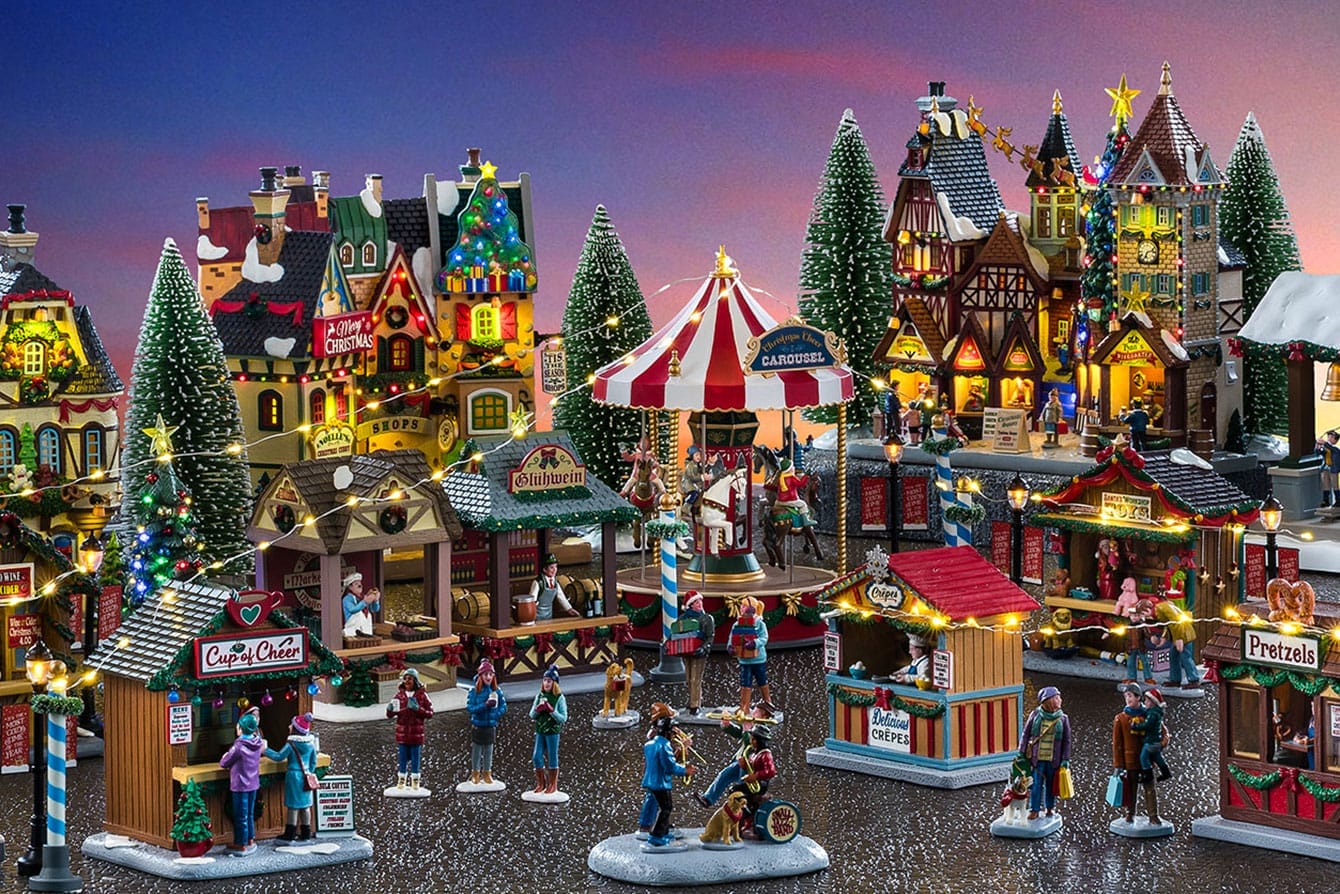

How to Start Your First Lemax Village Without Overthinking It
Starting your first Lemax village doesn’t have to be overwhelming. Learn how to begin with one piece, build with intention, and create a display that grows naturally over time.
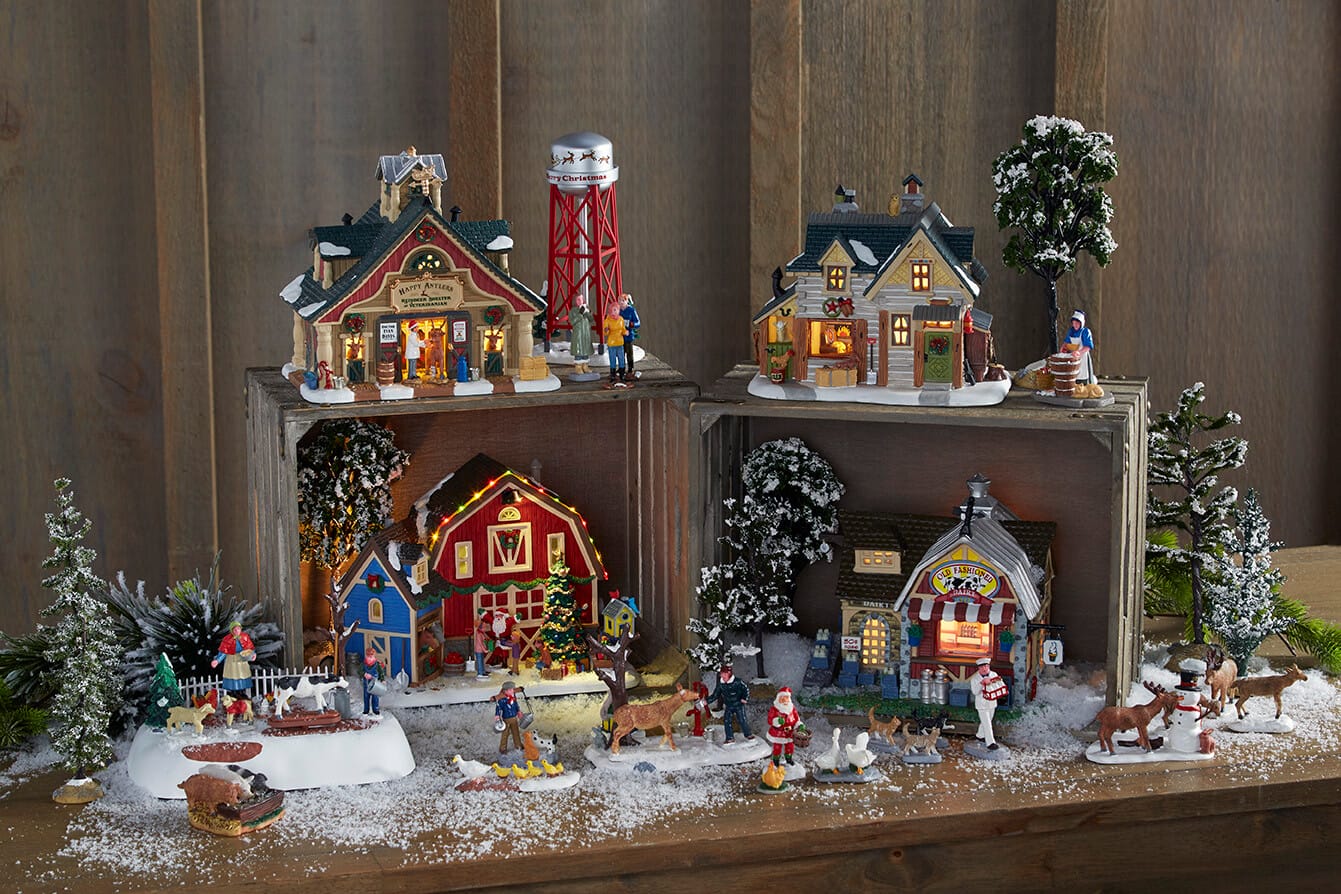
If you have ever looked at a fully built Lemax village and thought, “This looks incredible, but I have no idea where I would even begin,” you are definitely not alone. That feeling usually has nothing to do with a lack of interest. It comes from overthinking it. People assume they need a big space, a full plan, and everything perfectly matched before they even start.
In reality, that is not how great villages come together at all. They start small, and they grow.
Start Small and Make It Count
You really only need one strong piece to begin.
A single building that sets the tone can carry your entire setup at the start. It might be a cozy storefront, a bakery, or something detailed that immediately pulls you in.
Take a look through Lemax’s buildings and choose something you actually like, not something you feel like you are supposed to pick. That first piece matters more than most people expect, because everything else you add later will naturally build around it.
Another easy way to start, especially if you are not sure what to choose, is with a house set.
House sets take a lot of the guesswork out of the process. Instead of trying to piece everything together, you get a small group of buildings that already work well together. It gives you an instant foundation without overanalyzing every decision. House sets also make great gifts. If you have ever wanted to introduce someone to Lemax, a house set feels complete right out of the box, but still leaves room for them to grow their village over time.
Give Yourself a Direction
You do not need a strict theme, but you do want some direction so your village does not feel scattered. Maybe you are drawn to a classic small-town feel. Maybe you prefer something brighter and more playful. Or maybe you like the idea of a busy street with a lot going on.
Collections like Caddington Village lean more traditional, while Santa’s Wonderland feels a bit more whimsical. You can mix styles later, but early on, it helps to stay loosely within one lane so everything feels connected.
Bring It to Life Early
This is where a lot of people go wrong. They keep adding buildings, thinking more structures will make the display feel complete. But buildings alone do not create a scene.
What actually brings a village to life are the small human moments. Someone carrying gifts, kids playing, people standing outside a shop. Those details are what people notice when they stop and take a closer look.
Adding a few figurines early on makes a bigger impact than adding another building. It gives your setup energy right away, rather than leaving it feeling like an empty stage.
Use Your Space With Intention
You do not need a large table or a dedicated room. You just need to be intentional with the space you have. Give your main piece a little breathing room so it can stand out. Then build around it gradually. Maybe a path, maybe a secondary scene off to the side. The goal is not to fill every inch. It is to create something that draws your eye in and gives it somewhere to go.
Add Details Over Time
Once your base is in place, you start layering in the smaller elements. Things like trees, benches, street lamps, and snow effects begin to tie everything together. You can explore Lemax accessories for this, but there is no need to rush it. This part naturally builds over time and is what makes your village feel personal.
Let It Evolve
Your first setup is not meant to be your final version, and that is a good thing. You will move things around, swap pieces, and keep refining it as you go. What works one season might change the next, and that is part of what keeps it interesting. The best villages are not static. They grow and change over time.
If you expect everything to be perfect right away, you will end up second-guessing every decision. If you allow it to evolve, the whole process becomes a lot more enjoyable.
What Actually Makes a Great Village
It is not about how many pieces you have or how big your setup is.
What makes a village stand out is how it feels when you look at it. Whether it draws you in, whether it feels like something is happening, whether it makes you want to stop and take a closer look.
And a big part of that comes from something people do not always talk about.
Over time, each piece starts to carry a memory. It might be something you picked up on a trip, something you added during a specific season, or even something that was passed down from your mom or your grandma. Sometimes it is not even about where it came from. It is just something that caught your eye and stuck with you.
Those small choices add up. And before you realize it, your village is no longer just a display. It becomes a collection of moments that mean something to you. That is what makes it feel personal, and that is what people connect with when they see it. That does not happen all at once. It happens gradually, one piece at a time.
So instead of waiting until you feel ready, start with one piece you like and build from there. That is how every great village actually begins.
—
Next up, we will break down what separates an average village from one that really stands out, and the small changes that make the biggest difference.
Share This Story, Choose Your Platform!
Follow us
Latest articles
March 31, 2026