

Why Great Villages Give Your Eye Somewhere to Go
Why Great Villages Give Your Eye Somewhere to Go One [...]
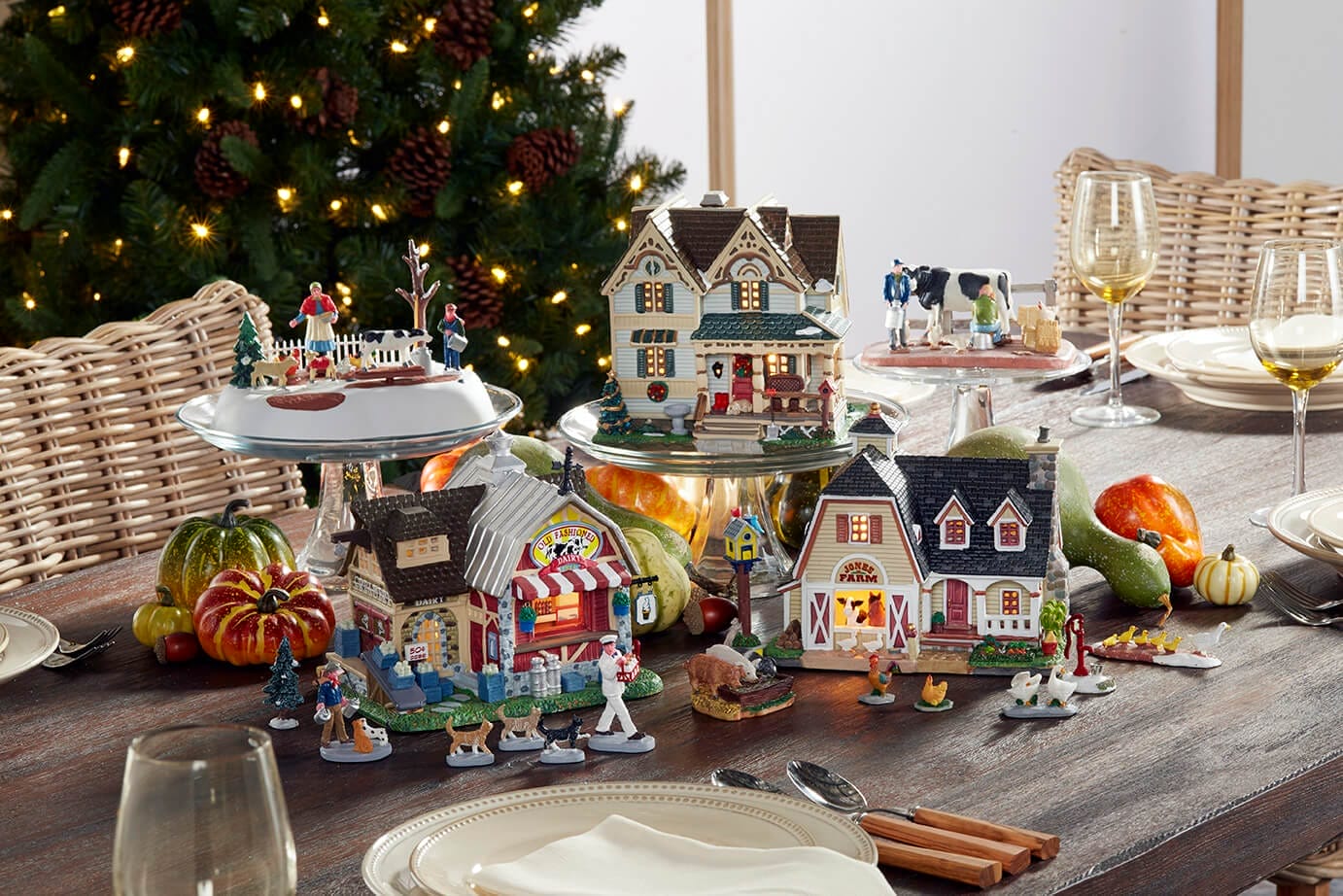
Why Great Villages Give Your Eye Somewhere to Go
One of the things that separates a village that feels complete from one that feels a little unfinished has less to do with how many pieces are in it and more to do with how the whole display comes together. You can have beautiful buildings, detailed figures, and plenty of accessories, but if everything feels disconnected, the village will never quite have that inviting, natural look collectors are after.
Most of us have run into this at some point. You start with a few pieces you love, add more as the layout grows, and somewhere along the way the display begins to feel a little scattered. Nothing is necessarily wrong on its own, but the village does not feel like it is flowing the way you imagined.
That is where visual movement really matters. The strongest villages give your eye a natural place to begin and then gently lead it from one scene to the next. That sense of flow is what makes a display feel more believable, more welcoming, and ultimately more memorable.
Start With a Focal Point
Every strong village needs one place for the eye to land first.
When a village immediately feels pleasing to look at, it usually has a clear focal point. That first point of interest might be a large illuminated building, a church, a town square, or an animated piece that naturally draws attention. Whatever form it takes, it gives the display a center of gravity.
Without that kind of anchor, the eye tends to wander too quickly. Everything asks for attention at once, and the layout can start to feel busy without really feeling connected. A focal point gives the rest of the village something to work around. It helps establish the mood and makes the whole display feel more intentional right from the start.
For many collectors, this is also the easiest way to begin building. Rather than worrying about every piece at once, it often works better to start with the building or scene that feels most important and let that choice guide the rest of the arrangement.
Build With Flow in Mind
A village feels more natural when each scene leads into the next.
Once the eye has a place to begin, the next step is making sure it has somewhere to go. This is one of the biggest reasons some villages feel smooth and engaging while others feel like separate sections placed side by side.
A good display has a natural sense of progression. A shopping area might lead into a town center, which then gives way to a quieter residential corner. A skating pond might sit just beyond the busy street, giving the layout a change of pace without feeling abrupt. These transitions do a great deal of work, even when they are subtle.
When a village has this kind of flow, it invites people to keep looking. One scene leads naturally to another, and the display feels more like a miniature world than a group of individual pieces sharing the same platform.
Create Connection Between Pieces
The most believable villages are built from relationships, not just individual buildings.
This is where a village begins to feel truly alive. It is not just about placing attractive pieces near one another. It is about creating relationships between them.
A bakery next to a coffee shop suggests daily life. A cluster of storefronts facing a small open space starts to feel like a proper town center. A row of homes set slightly away from the busier streets brings in a quieter, more settled feeling. These kinds of connections help shape the story of the village in a way that feels natural and familiar.
Collectors often discover that once they stop thinking only in terms of individual pieces and start thinking in scenes, the entire display becomes more believable. The village begins to feel like a place people actually live, work, gather, and celebrate.
Use Placement to Guide Attention
Roads, paths, trees, and spacing help move the eye through the display.
Buildings may set the scene, but it is often the smaller elements that create the flow between them. Roads, footpaths, fences, trees, lampposts, and carefully placed accessories all help guide the eye through the display without drawing attention to themselves.
These supporting details can create rhythm and continuity in a village. A curved path can slow the eye down and lead it toward a special scene. A row of trees can gently separate one area from another while still keeping the whole layout connected. Even the spacing between buildings can change how the display feels. Too little space can make things look cramped, while the right amount of room can help each scene breathe.
This is often where villages gain a more polished look. The accessories are no longer just filling empty spots. They are helping tell the viewer where to look next.
Avoid Visual Competition
Too many attention-grabbing pieces at once can make a village feel scattered.
It is easy to assume that the more lights, motion, and standout pieces you add, the stronger the village will be. Most collectors eventually learn that this is not always the case.
If every building is competing to be the centerpiece, the display can start to feel visually crowded. The eye never gets a chance to settle, and the village loses some of the charm that comes from balance and contrast. Strong layouts usually mix busier, more detailed sections with calmer areas that give everything room to breathe.
That balance is part of what makes a village feel finished. Not every piece has to do the same job. Some pieces are meant to lead, while others are there to support the overall scene. When those roles are balanced well, the village feels much more cohesive.
Aim for a Natural Rhythm
The best villages have busy areas, quiet corners, and a sense of balance throughout.
One of the reasons real towns feel interesting is that they have variety. There are lively areas full of activity, quieter stretches that give the eye a rest, and little transitions in between. A village display benefits from that same kind of rhythm.
This does not need to be complicated. A busier shopping section might naturally feel stronger when it is balanced by a quieter residential area or a snowy corner with fewer accessories. A bright focal building often looks even better when it is surrounded by more modest pieces that support it rather than compete with it.
When that rhythm is present, the village feels more comfortable and believable. It gives the display shape, movement, and a sense of realism that collectors immediately respond to.
Guide the Eye, Strengthen the Story
When the layout flows well, the whole village feels more complete and inviting.
At its best, a Lemax village does more than show off a collection. It creates an atmosphere. It gives the viewer a sense of place and encourages them to slow down and take in each scene along the way.
That is why visual flow matters so much. It is not just about design. It is about storytelling. When the eye moves naturally through the village, the scenes feel more connected, the details feel more meaningful, and the whole display feels more alive.
In the end, great villages give your eye somewhere to go because that is how real places work. They draw you in, lead you through, and leave you wanting to look a little longer.
Share This Story, Choose Your Platform!
Follow us
Latest articles

September 1, 2026

August 10, 2026

July 20, 2026

July 2, 2026

June 19, 2026