

How to Pick a Village Theme Without Boxing Yourself In
If you have ever started building a village and [...]
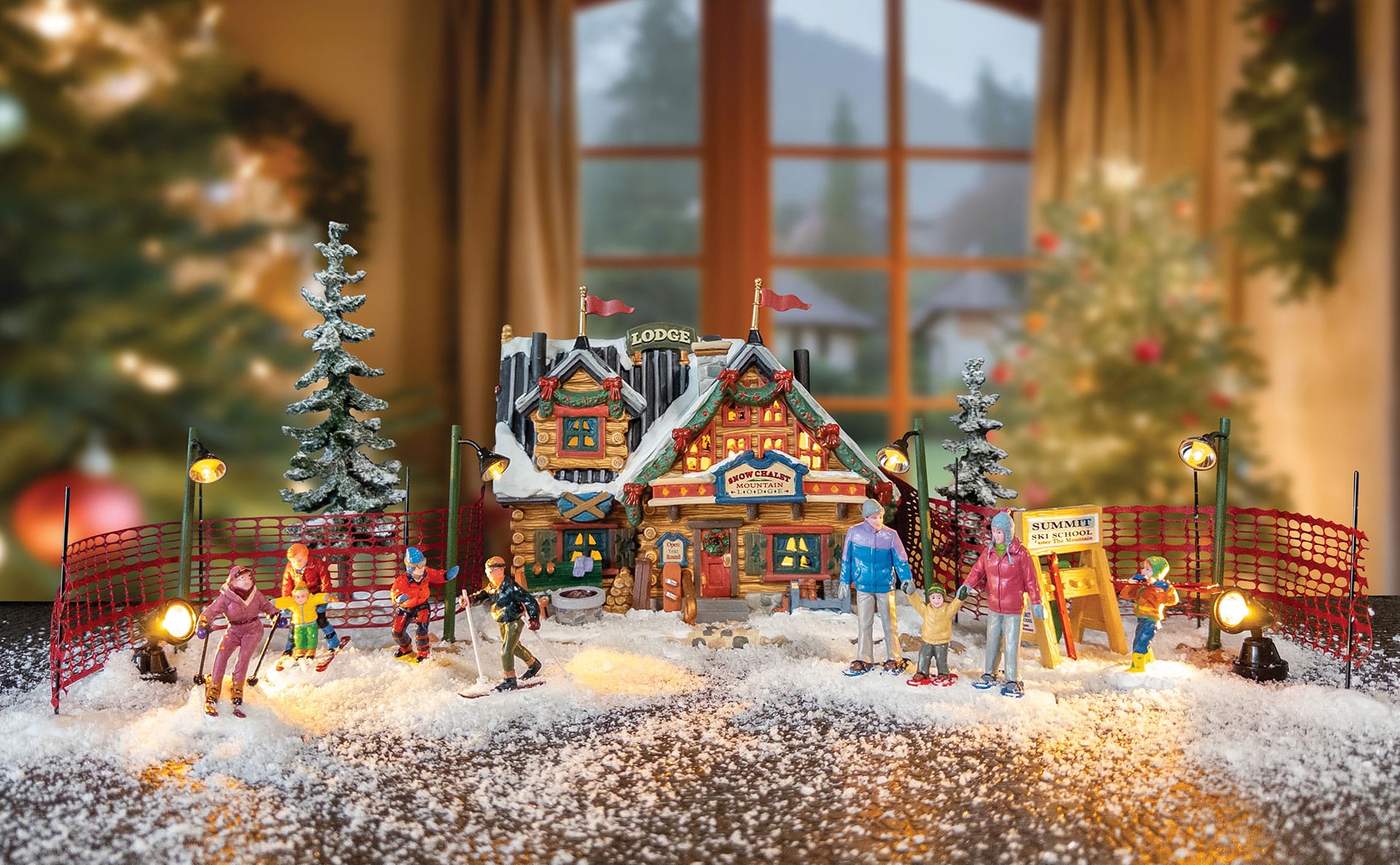
If you have ever started building a village and felt unsure about what direction to take, you are not alone. Most people begin by choosing pieces they like, assuming it will all come together naturally. Then at some point, they step back and realize something feels off. The pieces may be great on their own, but together they do not quite connect.
In reality, that has very little to do with what you picked. It comes down to not having a clear direction from the start. The strongest villages are not built all at once. They take shape over time, guided by a simple, consistent idea.
Give Yourself a Direction
You do not need a strict theme, but you do need a clear sense of direction.
A lot of people start too broadly. Saying you want a Christmas village or a holiday setup sounds like a plan, but it does not actually help you make decisions. What matters more is the feeling behind it.
You might be drawn to something quiet and nostalgic, with traditional buildings and warm lighting. Or you might prefer something more lively, with busy streets, bright colors, and a lot going on. Both directions work, but they lead to very different choices.
Collections like Caddington Village lean more traditional, while Santa’s Wonderland feels more playful and whimsical. You can always mix styles later, but early on, it helps to stay loosely within one lane so everything starts to feel connected.
Let One Piece Set the Tone
One strong piece can shape the entire direction of your village.
You do not need to figure everything out at the start. In fact, trying to do that usually makes things harder. It is often better to begin with a single building that immediately stands out to you.
It might be a church, a storefront, or something that feels like the center of a scene. That first piece does more than fill space. It sets the tone for everything that follows.
Once it is in place, it becomes easier to decide what belongs next. Pieces that fit will feel natural. Pieces that do not will stand out right away, which helps you avoid building something that feels disconnected.
Build Around Scenes, Not Just Pieces
A village feels real when the pieces work together, not when they sit side by side.
It is easy to focus on collecting buildings, but buildings alone do not create a scene. What makes a village interesting is how everything connects.
A bakery next to a café suggests everyday life. A row of shops facing a small gathering area starts to feel like a town center. These small groupings give your setup structure and make it feel like a place people would actually move through.
Thinking this way shifts the focus from adding more to building something that makes sense.
Keep It Flexible as You Grow
Your theme should guide you, not limit you.
If you define your village too narrowly, it becomes harder to expand later. New pieces will feel like they do not quite belong, even if you like them.
A broader direction gives you more room to grow while still keeping everything consistent. As you add more over time, your village can evolve naturally instead of feeling locked into one specific look.
The goal is to keep everything working together, not to keep everything the same.
Details Will Bring It to Life
The small touches are what make your village feel complete.
Once your direction is clear and your main pieces are in place, details start to matter more. Figurines, accessories, and small moments are what bring personality into the scene.
Someone carrying gifts, kids playing, people standing outside a shop. These are the things that draw people in and make them stop and look closer.
Even a few well-placed details can completely change how your village feels, adding energy and making it feel alive instead of static.
As your theme becomes clearer, the next step is what truly brings it to life. It is not the buildings themselves, but the small details that make the scene feel real. Subtle touches like figurines, accessories, and moments of everyday life are what transform a setup into something believable and engaging.
In the next post, the focus shifts to those details and how to use them to add movement, personality, and depth to your village.